
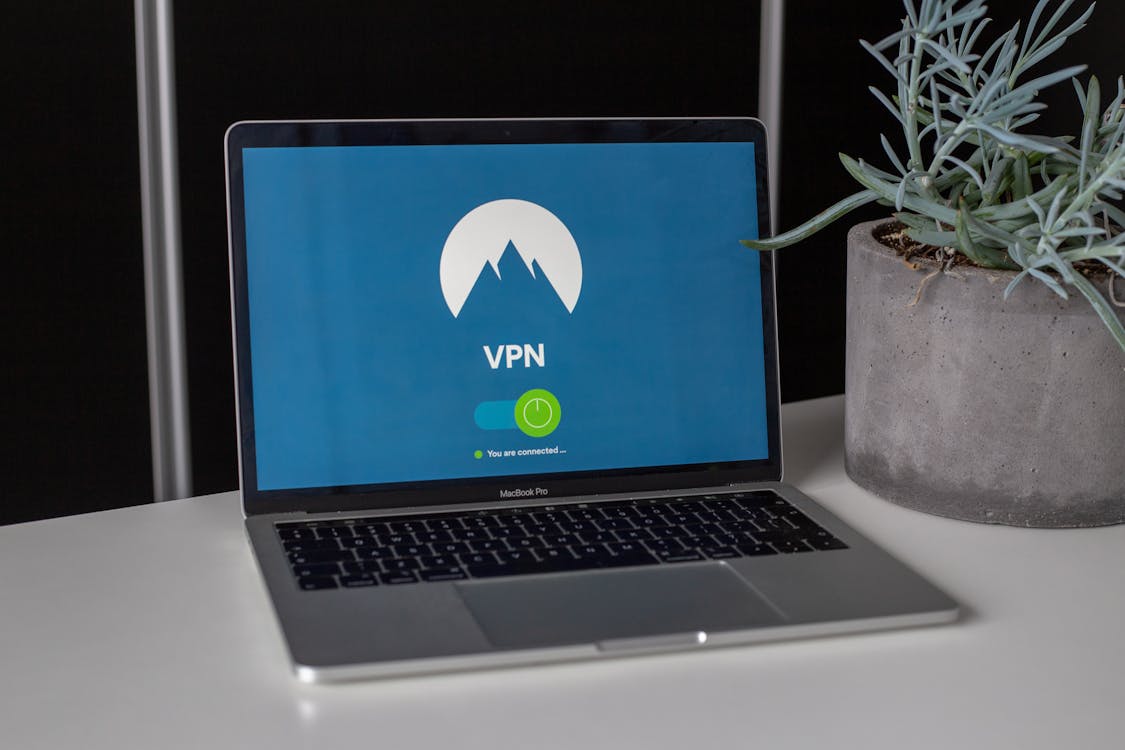
Virtual private networks (VPNs) promise the best of both online worlds: full access to the entire internet and unparalleled privacy and security. It is understandable that VPN providers would tout their products and services as the best thing since sliced bread. Yet no product is perfect. VPNs are good, but they are not necessarily great.
Taking a closer look at VPNs and how they do what they do makes it clear that there are some good, bad, and ugly aspects to the whole model. To assume it is all good is to ignore reality. To assume VPNs are all bad is to underestimate what they are capable of.
What It Is and What It Does
A VPN is a private network through which users can access other networks. In almost every case, a VPN in 2022 acts as a gateway to the public internet. If you were to use one, your computer would connect directly to your ISP. From there, you would be connected to the VPN server and then on to the internet.
Why do this? Because a VPN protects your online identity by hiding your IP address and preventing external actors from tracking your online activity. For all intents and purposes, that’s the entire purpose of the VPN. It is designed to keep you safe and secure online.
VPNs: The Good
Hiding your IP address can be a very good thing. So can prevent others from tracking you online. You are less likely to be tracked if all your online activity goes through a VPN. In addition, VPNs protect user privacy to the extent that it is harder for hackers to get to users. It’s not impossible, mind you, just harder.
The other benefit to using a VPN is having access to sites that may not otherwise be allowed where you live. For example, certain types of online gambling sites cannot be displayed in the U.S. But as a freelance writer, I sometimes have to write on those sites. I need a VPN to mask my IP address just so I can do my job.
VPNs: The Bad
On the bad side of things, VPNs can slow down the internet experience considerably. Unless you are willing to pay for a top-tier service, you are going to experience noticeable latency. Web pages will load more slowly. Videos will be choppy. Scripts will take longer to execute.
Even with a top-tier paid service, you’re going to experience lower speeds. They may be barely noticeable to you, but they will be there. And if you are using rural internet service, like Blazing Hog’s 4G LTE internet, a VPN could significantly hamper your experience.
VPNs: The Ugly
We cannot discuss the good and the bad without talking about the ugly. As beneficial as VPNs can be, they are not immune from cyber-attacks. Unfortunately, business VPN users are just as susceptible to hacks – especially in the cloud era, when so much data is hanging around just waiting to be harvested.
The unfortunate thing about VPNs is that they are an all-or-nothing enterprise. Once a hacker gains access to a VPN, they have access to every user on that network. And as VPNs have gained traction in the business world, bad actors have begun targeting them more frequently.
The fact is that making a VPN usable requires making it visible. If hackers can see it, they can attack it. That is a risk VPN users have to assess. A VPN protects privacy online to a certain degree. However, it also slows down data transfer and is still subject to security risks.
